The complete guide to replacement windows
Buying replacement windows comes down to five decisions: window type, frame material, glass package, install method, and who does the work. Brand matters less than the in-home pitch will tell you. For a typical DC, Maryland, or Virginia home, plan on a 4 to 6 week project and a per-window installed cost that swings widely by tier. This guide walks each decision in plain terms.

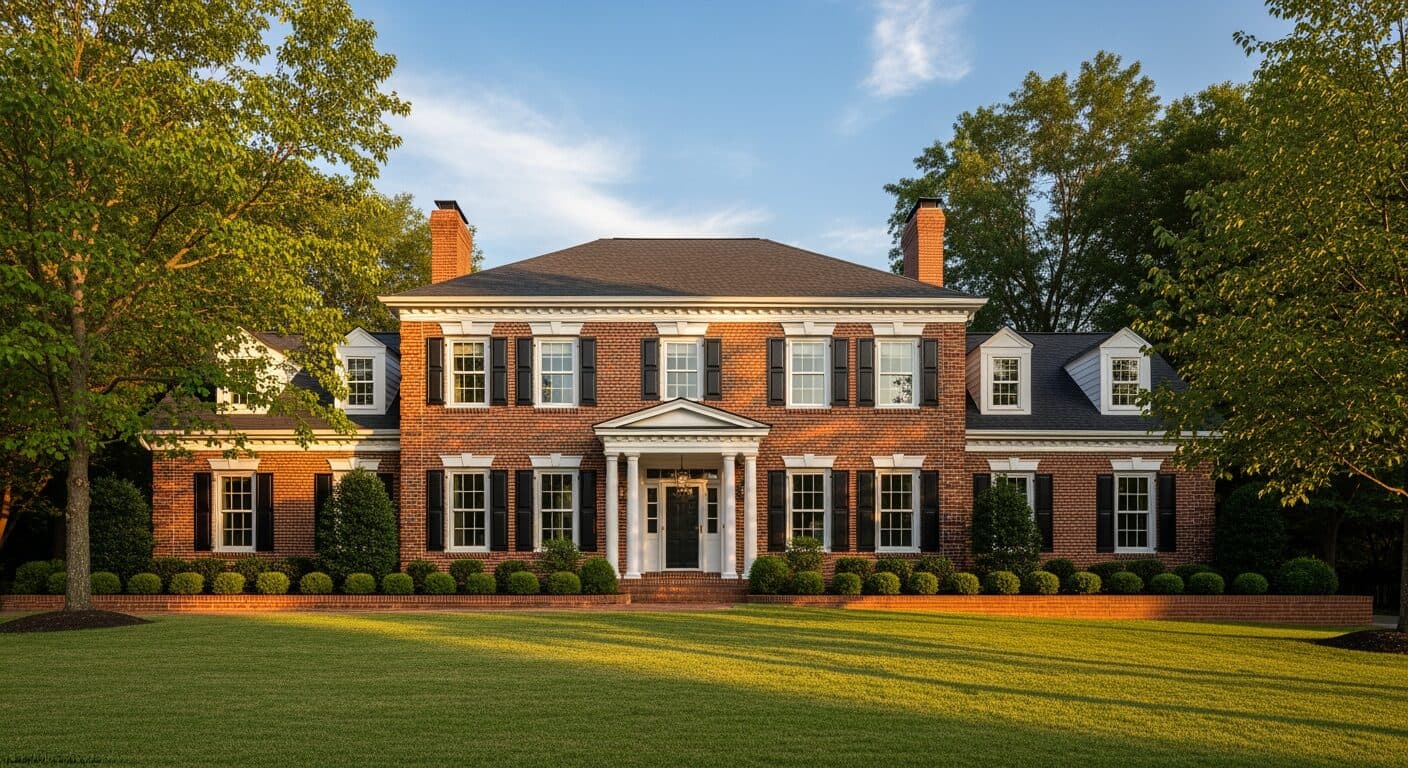
If you've never replaced windows before, the research can feel bottomless. Every company describes the same product differently. Specs come buried in acronyms (U-factor, SHGC, NFRC, Low-E). Prices for what looks like the same window swing tens of thousands of dollars between quotes. And almost every shopping path runs through an in-home consultation built to feel urgent.
This is the overview I wish every homeowner had on day one. I spent 2.5 years inside Renewal by Andersen's consultations, so I've watched these decisions play out from the seller's chair. The goal here isn't to make you an expert. It's to give you a map of the whole decision, then point you to the deeper guide for each piece. Think of this page as the table of contents for everything else.
What "replacement windows" actually means
A replacement window is a new window unit installed into the opening of an existing one, as opposed to new-construction windows used when a wall is framed from scratch. The distinction matters because it determines how the window attaches to your house and how much of the surrounding structure gets disturbed.
There are two ways a replacement window goes in. An insert (or "pocket") replacement keeps your existing frame and jamb and fits the new unit inside it. That path is faster, cheaper, and right when the existing frame is sound. A full-frame replacement strips everything down to the rough opening in the wall, which is necessary when frames are rotted or you want to change the window's size or shape. Full-frame runs roughly 25 to 40% more than an insert for the same window.
Most homeowners shopping for replacement windows are solving one of four problems: comfort (drafts, hot and cold spots), energy bills, looks (rotted or faded frames, prepping to sell), or outright failure (fogged glass from a blown seal, stuck sashes, leaks). Naming your real reason first is the single most useful thing you can do, because it changes which of the five decisions below actually matter for you.
The five decisions behind every window project
Almost everything about a replacement window project reduces to five choices, in roughly this order:
- Window type. The shape and how it opens (double-hung, casement, picture, and so on). This follows your home's style and each room's use.
- Frame material. Vinyl, fiberglass or composite, or wood. A cost-versus-longevity-versus-looks trade.
- Glass package. Low-E coatings, gas fill, double versus triple pane. This is what drives the energy rating.
- Install method. Insert versus full-frame, covered above.
- Who installs it. The contractor, who matters more than first-timers expect.
First-timers tend to work this list backward, starting with brand and ending with the installer. That's how you end up paying premium-brand prices for a mediocre install. Type first, material second, glass third, install method fourth, and brand last. If you're brand new to this, the companion first-time window replacement guide walks the same ground from a slightly different angle.
Notice that brand isn't even on the list of five. It's the thing the in-home pitch spends the most time on and the thing that should change your decision the least. Within any given material and glass tier, two brands with near-identical NFRC numbers will perform almost identically in your house. The one place brand genuinely matters is warranty enforcement: some manufacturers honor claims freely, others fight every one, and that difference is invisible on a spec sheet. Get the first four decisions right and the brand mostly sorts itself out within your budget.
See it on your own house first
Preview a clean replacement on a photo of your actual window and get itemized pricing before you decide.
Window types: what opens, and where each one fits
The type of window is the first decision because it's driven by your house, not your budget. A 1920s DC row house wants double-hung. A 1960s rambler in Falls Church often looks right with sliders. A kitchen window over a sink almost always wants a casement, because cranking a handle beats reaching across the sink to shove up a heavy sash.
Here's the short version of the eight types most companies in this market install:
| Type | How it opens | Best for |
|---|---|---|
| Double-hung | Both sashes slide vertically, tilt in to clean | Colonials, row houses, bedrooms |
| Casement | Cranks outward like a door | Kitchens, hard-to-reach openings, tight seal |
| Awning | Top-hinged, opens outward | Basements, baths, ventilation in light rain |
| Picture | Fixed, doesn't open | Living-room views, maximum glass |
| Sliding | Slides horizontally | Wide openings, contemporary homes |
| Bay | Three-panel projection | Curb appeal, added interior space |
| Bow | Curved multi-panel arc | Softer projection than a bay |
| Patio doors | Sliding, French, or multi-slide | Deck and yard access |
Casement and awning windows seal the tightest because the sash compresses against the frame when you crank it shut, which is why they tend to post the strongest energy numbers. Double-hung and sliders rely on weatherstripping at a moving joint, so they're slightly leakier by design. That's still fine for most homes, just a real trade-off if airtightness is your priority. Picture windows have no moving parts at all, so they seal best of any type and cost the least per square foot of glass, which is why they're the natural choice for a fixed view, often flanked by smaller operating units for ventilation. Bay and bow windows are their own category: they project out from the wall, add interior space and curb appeal, and price as a multi-unit assembly rather than a single window, so they're a bigger line item than their footprint suggests.
The most common pick in this market is the double-hung. It suits the colonials and row houses that dominate the region, and both sashes tilt in so you can clean the outside from inside, which matters on a second story. A full walk-through of choosing the right type by room and home style lives in the how to choose a window type guide and across the window type pages.
Frame materials: vinyl, fiberglass, composite, and wood
Material is mostly a cost-versus-longevity-versus-looks trade. For most replacement projects in DC, Maryland, and Virginia, mid-tier vinyl is the right call. The case for spending more is real but specific.
- Vinyl. The value default. Lowest cost, low maintenance, typically lasts 20 to 30 years per This Old House and InterNACHI service-life data. Light colors stay stable; very dark vinyl can warp under direct DC summer sun, so darker exteriors are usually a reason to step up to a different material.
- Fiberglass and composite. Stronger and more dimensionally stable than vinyl, holds dark colors and paint well, with manufacturer and industry data putting service life at 30 to 50 years, and generally costs noticeably more than vinyl. The Fibrex composite Renewal by Andersen uses is in this family.
- Wood with exterior cladding. The best look for historic and high-end homes, with an aluminum or fiberglass exterior over a wood interior. Requires interior upkeep and typically costs around twice vinyl.
- Aluminum. Uncommon for residential replacement today; thin sightlines for contemporary architecture, and it conducts heat, which hurts the energy rating.
The honest version: within a given material tier, two brands with near-identical specs can carry very different price tags. You're often paying for the name and the warranty backing, not a better window. The full breakdown of each material's strengths and where the upgrade pays off lives in the window materials guide.
How energy ratings actually work
Two numbers on the NFRC sticker tell you most of what you need: U-factor (how well the window keeps heat in) and SHGC (how much of the sun's heat it lets through). Lower U-factor means better insulation; lower SHGC means less solar heat gain. DC, Maryland, and Virginia all sit in IECC climate zone 4 (mixed-humid), where you want both numbers reasonably low to handle cold winters and hot, muggy summers.
Every legitimate window carries an NFRC (National Fenestration Rating Council) label listing U-factor, SHGC, visible transmittance, and air leakage. Those numbers are independently certified, so they're the apples-to-apples way to compare across brands. ENERGY STAR sets recommended thresholds by climate zone; under the ENERGY STAR Version 7.0 specification, the North-Central zone that covers most of DC, Maryland, and Virginia calls for a U-factor at or below 0.25 and an SHGC at or below 0.40. The IECC/IRC code minimum for the zone is a separate, less strict floor at [data pending: IECC zone 4 prescriptive U-factor max for fenestration].
What moves those numbers: a Low-E coating (a microscopically thin metallic layer that reflects heat), an inert gas fill like argon or krypton between the panes, and the number of panes. Double-pane with Low-E and argon is the standard. Triple-pane lowers the U-factor further but adds cost and weight, and in zone 4 the comfort gain is usually modest relative to the upcharge. The deeper trade-offs, including when triple-pane is worth it here, are in the energy-efficient windows guide.
A few things the salesperson rarely explains in plain terms. Low-E coatings come in different tunings: a coating optimized to block solar heat keeps a west-facing room cooler in August, while a coating tuned to hold heat in suits a north-facing room that never gets direct sun. In a mixed-humid climate like ours you're balancing both jobs, which is why the single SHGC number on the sticker is a compromise, not a perfect answer for every wall of the house. Argon does most of its work by slowing the convection currents between the panes; it's cheap enough that there's little reason to skip it, but it offers no benefit once a seal fails and the gas leaks out, which is the same failure that fogs the glass. Triple-pane's real advantage in this region is often noise, not heat: the third pane and the wider air space dampen road and aircraft sound noticeably, which matters more under a Reagan National flight path than it does on your energy bill. If you're unsure which glass package fits your exposure, that's a good question to put to Zig before you commit.
It's worth being honest about payback. Replacing functional but older windows with high-efficiency units does lower your bills, but the energy savings alone rarely pay back the project cost quickly. For most homes the simple payback runs many years, and the stronger reasons to upgrade are comfort (no more cold spots by the glass in January), noise reduction, and resolving actual failures like fogged seals. If a salesperson tells you new windows will "pay for themselves" in a handful of years on energy savings alone, treat that as a number to ask hard questions about. The comfort and condensation improvements are real and immediate; the dollar payback is slow.
A note on incentives, because it changed recently: the federal §25C tax credit that used to cover 30% of qualifying ENERGY STAR window costs expired for installs after December 31, 2025 under the 2025 budget law (OBBBA, Public Law 119-21). If you're shopping in 2026, don't let any company quote you a federal credit that no longer exists. The real savings now come from lower utility bills and from any state or utility rebate programs that still apply. Figures for the current local programs are [data pending: current DC/MD/VA utility and state window rebate amounts for 2026].
What replacement windows actually cost
Most full-home replacement projects in DC, MD, and VA fall into tiers, and the gap between them is wider than first-timers expect. The single biggest driver of your number isn't the brand. It's window count, window size, glass package, and whether you go insert or full-frame.
| Tier | Material | When it makes sense |
|---|---|---|
| Budget vinyl | Entry vinyl | Rentals, flips, short-term holds |
| Mid-tier vinyl | Quality vinyl | Most owner-occupied homes |
| Premium vinyl / composite | High-end vinyl, Fibrex | 10+ year hold, energy focus |
| Fiberglass / wood-clad | Fiberglass, clad wood | Historic homes, premium remodels |
I'm not going to print a per-window dollar figure here that I can't stand behind for your specific house, because window size alone can swing the price 2 to 3x within a single tier. A standard double-hung and an oversized picture window in the same product line are not the same line item. For real, itemized ranges by window type and material, the cost hub and the window replacement cost guide break it down, and the cost to replace all the windows in a house page covers whole-home projects.
What drives price within a tier:
- Window size. Bigger units cost disproportionately more, because doubling the size more than doubles the price.
- Glass package. Low-E, argon, and triple-pane are each upcharges over the base configuration.
- Install type. Full-frame runs 25 to 40% more than insert because it touches the rough opening.
- Color and grilles. White vinyl is the baseline; bronze, black, and custom stains add cost per unit.
- Brand markup. Comparable specs, different names, different price tags. This is where you have the most room to overpay.
One first-party note on the transparent-pricing model: because OneStep prices from a phone-video measurement and an itemized configurator rather than a living-room negotiation, the number you see isn't built to be discounted off a fake "list" price. That's the whole point of the DTC approach. There's no manager-approval theater because there's no inflated starting number to discount from.
Get an honest price, no salesperson
Tell us your address and window and get itemized pricing — no in-home pitch, no surprises.
What installation day looks like
For a typical 10-window install in this market, plan for 1 to 2 days of work, 2 to 3 installers on site, dust, and moderate disruption; that's the pace the projects I sold typically ran at. A good crew works one or two rooms at a time so the house is never fully open to the weather. Per opening, figure roughly 45 to 90 minutes: demo the old unit, inspect the opening, set and shim the new window, insulate the perimeter, then trim and seal inside and out.
The thing that derails installs is what's hidden behind the old window. Rotted framing, most common on wood windows in pre-1980 homes and especially on south-facing walls, only shows up once the old unit comes out, and it adds cost and time. This is the strongest argument for an honest pre-install inspection of your frames before you commit to insert versus full-frame: an insert over rotted framing just hides the rot and lets it keep growing. The other common surprise in this region's older housing stock is lead paint. Homes built before 1978 are assumed to contain it, so a properly run crew follows EPA Renovation, Repair and Painting (RRP) containment when they disturb old painted sashes and trim. A contractor who waves that off on a 1950s Silver Spring cape is cutting a corner that can land in your house as lead dust.
Weather and season matter less than homeowners fear. A competent crew can install in winter because they open and close one opening at a time rather than stripping the whole house; the bigger seasonal factor is lead time, since spring and early fall are the busy windows when the factory backlog and the installer's calendar both stretch. Ordering in the slower late-winter stretch can shave weeks off the wait.
Permitting and historic rules vary across the region. In DC, most replacements don't need a permit, but historic districts like Georgetown and Capitol Hill require Historic Preservation Office approval and generally won't approve vinyl. Montgomery County, MD and Fairfax County, VA typically require a permit for full-frame work but not for inserts, and Old Town Alexandria and the Annapolis Historic District have their own overlays. Before the crew leaves, walk every window with the lead installer, operate every sash, check every lock, and put anything that isn't right on a punch list. Then file the warranty paperwork, knowing registration is usually optional rather than a coverage condition (Pella's warranty has no registration clause at all, Andersen calls registration a convenience, and Simonton merely encourages it); what the fine print actually conditions coverage on is full payment and proper installation. The full install playbook is in the window installation guide.
How to choose a contractor (and survive the sales pitch)
The contractor matters more than the brand. They're who shows up at your house, makes the cuts, and handles warranty claims years later. A premium window installed badly is worse than a mid-tier window installed well. Vet the installer at least as hard as you vet the product.
Most shopping paths in this market run through an in-home sales pitch from Renewal by Andersen, Window Nation, Champion, Pella's premier dealers, and their peers. Having sat on the selling side of that pitch, I can tell you it's not built to deceive; every claim in it is usually true. It's built to make signing feel urgent. The defenses are simple: tell the rep up front you're getting three quotes, refuse any "tonight only" price (any real company holds a quote at least 30 days), get the contract in writing and read the rescission window and warranty exclusions, and remember that "I need to think about it" is a complete sentence.
To compare quotes fairly, force them onto the same terms: same window count, same install type, same glass package. Companies quietly vary one of those to make their number look better, so ask each rep out loud, "Is this insert or full-frame, and what's the glass package?" Two more questions separate a crew you want from one you don't. First, who actually does the install: a brand's own W-2 crew, or a subcontractor the company found last week? Subcontracting isn't automatically bad, but it changes who answers the phone when something leaks in year three. Second, ask how the warranty is honored, not just how long it lasts. A lifetime warranty is worthless if the company makes you fight for every claim, and that enforcement track record is the one variable that never appears on a spec sheet. The full vetting checklist, covering license and insurance, warranty enforcement track record, and the questions that separate a real installer from a salesperson, is in the how to choose a contractor guide. For the strengths and weaknesses of the specific names you'll meet, see the brand reviews hub.
Repair or replace?
Not every window problem is a replacement. In the homes I quoted, a single failed seal, a stuck sash, or a minor draft on a window under about 15 years old was usually a repair, not a replacement. Replacement makes sense when failures are spread across the house, frames are 25+ years old, or you feel comfort problems in nearly every room. A symptom-by-symptom breakdown of which is which lives on the window problems hub.
The reason this matters financially: the mobilization cost (crew showing up, setup, drop cloths, permit) is roughly the same whether you do one window or twenty. That makes per-window cost far higher on small jobs, which is why, if you can afford it and most of the house is aging out together, doing them all at once is usually the better value. But chasing one genuinely failed window doesn't justify a whole-home project you don't need yet.
There's a middle path most reps won't volunteer, because it's smaller than the sale they came to make: phasing. If the budget can't stretch to the whole house but several windows have genuinely failed, you can replace the worst rooms now and the rest in a year or two. You'll pay the mobilization cost twice, so it's not the cheapest route per window, but it beats either living with failed seals or borrowing against a project you can't comfortably afford. The case for doing it all at once is strongest when the windows all date to the same original build, because they'll fail on roughly the same schedule, and a matched set keeps the exterior looking intentional rather than patched. The case for phasing is strongest when a few windows clearly failed early and the rest still have years left.
Frequently asked questions
What are replacement windows?
Replacement windows are new window units installed into the existing openings of a home, as opposed to new-construction windows used when a wall is being framed. They go in one of two ways: an insert that keeps the existing frame, or a full-frame replacement that strips the opening down to the rough framing.
How much do replacement windows cost in DC, Maryland, or Virginia?
It depends heavily on window count, size, material, glass package, and insert versus full-frame, and size alone can swing the price 2 to 3x within a single tier. Rather than a single average, see itemized ranges by type and material on the OneStep cost pages, and price your actual house with the configurator.
Are replacement windows still eligible for a federal tax credit in 2026?
No. The federal §25C energy-efficient home improvement credit that covered qualifying windows expired for installs after December 31, 2025 under the 2025 budget law. Be skeptical of any company quoting a federal window credit in 2026. Savings now come from lower utility bills and any remaining state or utility rebates.
What U-factor and SHGC should I look for in climate zone 4?
DC, MD, and VA are in IECC climate zone 4 (mixed-humid), where you generally want both U-factor and SHGC reasonably low for cold winters and hot summers. Look for the ENERGY STAR label for the North-Central zone and compare the independently certified numbers on the NFRC sticker rather than a brand's marketing.
What's the difference between insert and full-frame replacement?
Insert (pocket) replacement keeps the existing jamb and replaces the sashes and operating mechanism, which is faster and cheaper and used when the frame is sound. Full-frame strips the unit down to the rough opening, costs roughly 25 to 40% more, and is required when frames are rotted or you're changing the window's size.
What's the best window material for most homes?
For most replacement projects in this region, mid-tier vinyl is the right balance of cost, low maintenance, and performance. Step up to fiberglass, composite, or clad wood if you want dark colors that won't warp, a longer service life, or a look a historic district will approve.
How long does a window replacement project take?
For most projects, expect about 4 to 6 weeks for the factory to build your windows after you order, plus 1 to 2 days of install for a typical home. Custom sizes, historic-district approvals, or back-ordered configurations can push the timeline longer.
Does the contractor matter more than the window brand?
For most homeowners, yes. The installer makes the cuts, seals the opening, and handles warranty claims for years afterward, and a premium window installed poorly performs worse than a mid-tier window installed well. Vet the installer at least as carefully as the product.
Next step
The most useful thing you can do before talking to any company is see real, itemized numbers for your actual house. The OneStep 3D configurator pulls up your home, lets you pick types, materials, and glass tiers, and gives you an itemized price with no phone call, no rep visit, and no manager approval. If a quote you've already received doesn't add up, you can also ask Zig, our window consultant, to flag the warranty and pricing language worth a second look.
Start your measurement in 5 minutes
Snap a photo with your phone, get AI measurements and an honest price — no salesperson, no in-home pitch.
The full library of homeowner guides lives at /guides, and the person behind every page on this site is at /about/anthony-moorman.