Triple pane window cost in DC, MD, and VA: is it worth it?
Triple pane window cost runs a clear premium over double-pane, because a third glass layer and extra hardware add to both the unit and the labor. In DC/MD/VA's mixed-humid Zone 4 climate, that premium buys a lower U-factor, but the energy payback is long. The stronger reasons here are usually sound reduction and comfort near the glass, not heating-bill math.

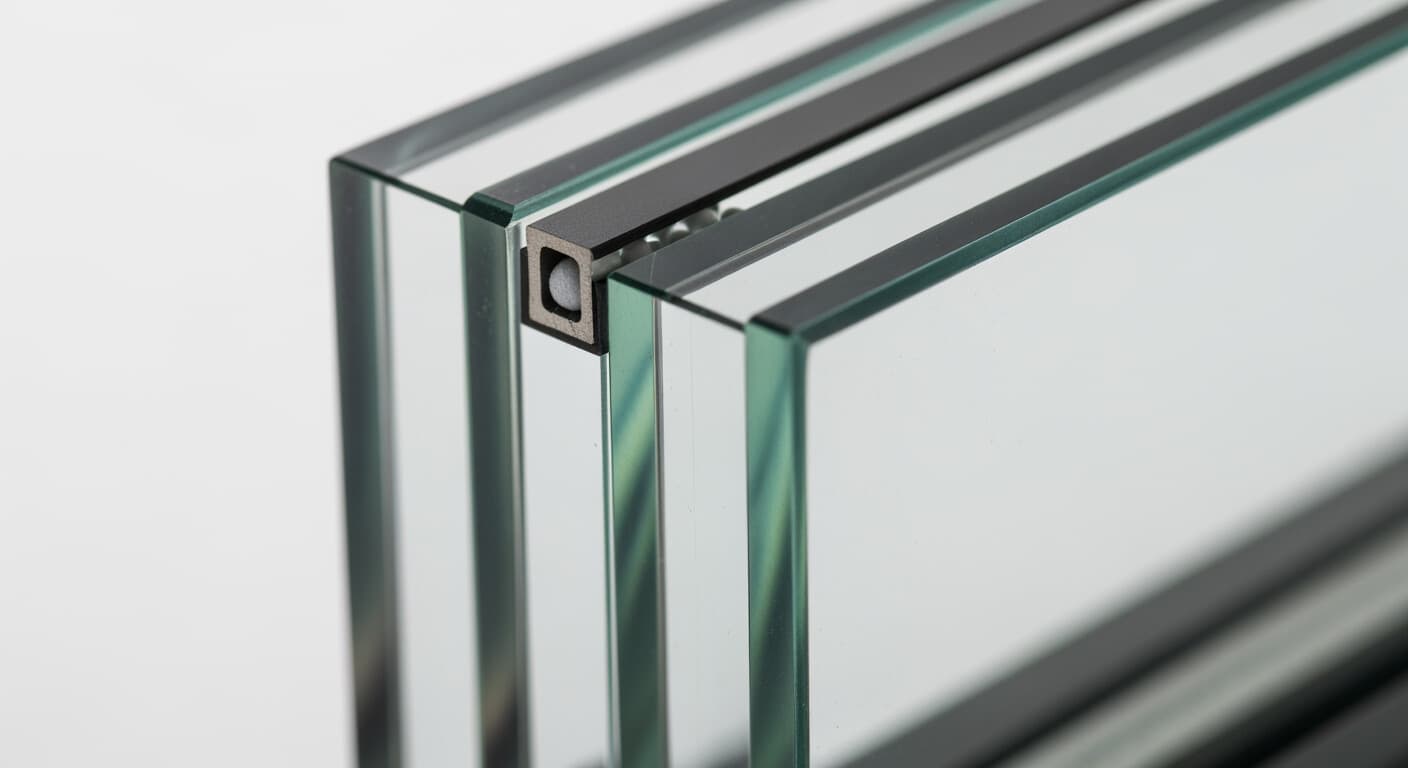
If you've been told triple-pane is the obvious upgrade, this page is the honest counterweight. Triple-pane is a real product with real benefits, but those benefits land differently in our climate than they do in Minnesota. The third pane adds glass, gas fill, and weight, and all of that costs money. Whether it earns that money back depends almost entirely on why you're buying it. Below I break down what the premium is, what it buys in Zone 4, and the cases where it genuinely makes sense.
What is triple pane window cost compared to double-pane?
Triple pane window cost sits above double-pane on every line that matters: the unit itself, the heavier hardware it needs, and the labor to set a heavier sash. A double-pane window with Low-E and argon is the modern DC/MD/VA baseline, and triple-pane is the step up from it, not the standard.
The third pane adds a second sealed air or gas gap, which is what lowers the U-factor. But it also adds weight, and weight has downstream cost: sturdier frames, beefier balances or hinges, and sometimes a larger frame depth that not every existing opening can take. We won't print a fake "from $X" figure for the premium. That's the marked-up-list-price game this site exists to avoid. The honest framing is that you should expect a meaningful step up over a comparable double-pane unit, and ask your installer to itemize it.
In the in-home channel I sold in, the triple-pane line was almost never broken out on its own; it rode inside a single bundled total, which is exactly how a premium gets sold without ever being justified. The fix is simple: make the installer show the double-pane price and the triple-pane price for the same window, in the same line item, so you can see the delta you're actually paying for.
| Factor | Double-pane (Zone 4 baseline) | Triple-pane |
|---|---|---|
| Glass layers | 2 | 3 |
| U-factor (lower = better) | Baseline for region | [data pending: NFRC U-factor range for double vs triple-pane in OneStep's glass packages] |
| Relative unit cost | Baseline | [data pending: triple-pane unit cost premium over comparable double-pane, dollars or percent] |
| Weight / hardware load | Standard | Heavier sash; sturdier hardware |
| Sound reduction | Good | Better, especially at low frequencies |
| Best fit | Most DC/MD/VA homes | Noise, comfort, or large picture units |
What does the triple pane window cost premium actually buy in Zone 4?
In a Zone 4 mixed-humid climate, the triple pane window cost premium mainly buys a lower U-factor, better sound dampening, and warmer glass surfaces in winter, not a dramatic energy bill cut. The energy upside is real but modest here, and smaller than it would be in a cold Zone 6 or 7 climate.
DC, Maryland, and Virginia sit in IECC climate zone 4. We don't have the brutal, sustained sub-zero winters where a third pane pays for itself on heating alone. A lower U-factor reduces heat loss through the glass, and that helps, but the marginal improvement from double to triple is smaller than the jump from single to double, and our heating season is shorter than the northern markets where triple-pane is standard. There's a diminishing-returns curve here that salespeople rarely draw for you: per DOE Energy Saver and Efficient Windows Collaborative data, going from one pane to two roughly halves the heat loss through the center of the glass, while adding the third pane shaves a much thinner slice off an already-low number. The dollars you spend per unit of U-factor improvement go up sharply at exactly the step where triple-pane lives. For precise NFRC numbers on a specific glass package, use [data pending: NFRC-rated U-factor and SHGC for OneStep double-pane vs triple-pane packages], or ask Zig to pull the certified target for your address.
What the third pane does deliver reliably in our region: meaningfully better sound reduction, which matters on a busy DC corridor or near an airport flight path, and a warmer interior glass surface that cuts the cold-window draft feeling in winter. The comfort point is worth dwelling on, because it's the benefit most people actually feel. A warmer inner pane means less of that radiant chill you get sitting next to a large window on a cold night, and less condensation forming on the glass in a humid Mid-Atlantic winter. Neither of those shows up on a utility bill, which is precisely why an energy-payback calculation undersells what triple-pane is good for here.
When is triple-pane worth it in DC, MD, or VA?
Triple-pane is worth it in our region when comfort or noise, not the energy bill, is the deciding factor. If you live on a loud street, want to kill the cold draft off a large picture window, or are doing a forever-home build where you'll capture decades of marginal benefit, the premium can be justified. For most owner-occupied homes chasing energy savings alone, it usually isn't the best dollar.
The noise case is the clearest win, and it's worth understanding why. The extra glass layer and the added air gap break up sound waves more effectively than two panes do, and the effect is strongest at the low-frequency end, which is exactly where traffic rumble, highway drone, and aircraft noise live. Those low frequencies are the hardest for a standard double-pane to stop, so if your problem is a busy road or a flight path rather than a barking dog, triple-pane is targeting the part of the spectrum you can't easily fix any other way. For a home backing onto I-495 or sitting under a National Airport approach, that's a real, daily quality-of-life upgrade, not a line on a spreadsheet.
See it on your own house first
Preview a clean replacement on a photo of your actual window and get itemized pricing before you decide.
Are there tax credits or rebates to offset triple pane window cost?
Not at the federal level for 2026. The federal §25C Energy Efficient Home Improvement Credit for windows (30% of cost, capped at $600/year for windows) was terminated for property placed in service after December 31, 2025 under the 2025 federal tax law (Public Law 119-21). So for a 2026 triple-pane install, do not count on a federal window tax credit to soften the premium.
That removes one of the arguments salespeople used to lean on for premium glass. For years the §25C credit was a standard line in the triple-pane upsell, a way to make the premium feel partly reimbursed; in 2026 that reimbursement no longer exists, so any quote still leaning on it is selling against a credit the buyer can't claim. State and local utility incentives may still exist and change often, so check current programs before relying on any: [data pending: DC/MD/VA state or utility rebates for high-efficiency / triple-pane windows, 2026, with source]. If a quote still cites the federal credit to justify a triple-pane upsell, that's outdated information.
What does OneStep triple pane window cost look like for your home?
OneStep is built to show you an itemized, no-rep price for your specific openings, including the triple-pane premium as its own line, before anyone talks to you. The number depends on your install type, frame material, glass package, and window count applied to your actual windows: [data pending: OneStep triple-pane per-window installed price range, DC/MD/VA].
Because pricing is configured per home rather than pitched at a kitchen table, the cleanest way to see a real OneStep number, and to compare a double-pane and triple-pane version of the same window side by side, is to run your own address through the 3D configurator. That side-by-side is exactly the comparison most in-home reps won't show you cleanly, because the premium is easier to sell when it's buried in a lump sum. Seeing both numbers next to each other also reframes the decision the way it should be framed: not "is triple-pane better" (it is, on paper) but "is this specific delta worth it for these specific windows," which is a question only a real price on your real openings can answer.
Get an honest price, no salesperson
Tell us your address and window and get itemized pricing — no in-home pitch, no surprises.
Frequently asked questions
Is triple-pane worth it in DC, MD, or VA?
In our Zone 4 mixed-humid climate, triple-pane is usually worth it for sound reduction and winter comfort near the glass, but rarely pays back on energy savings alone within a reasonable hold. If lower energy bills are your only goal, a quality double-pane window with Low-E and argon is typically the smarter spend.
How much more does a triple-pane window cost than double-pane?
Triple-pane carries a meaningful premium over a comparable double-pane unit, driven by the third glass layer, extra gas fill, and heavier hardware. The exact dollar premium depends on the window and glass package, so ask any installer to itemize the triple-pane upgrade as its own line rather than bundling it into a total.
Does triple-pane reduce noise better than double-pane?
Yes. The extra glass layer and air gap dampen sound noticeably better than double-pane, especially at lower frequencies like traffic rumble. For homes on a busy DC corridor or under a flight path, noise reduction is often the strongest single reason to pay the triple-pane premium.
Are triple-pane windows too heavy for older DC and MD homes?
They can be. The third pane adds weight, which loads operators, hinges, and balances harder and sometimes needs a deeper frame than an existing opening allows. Large casements and older or non-standard openings are where this matters most, so confirm the opening can take the weight before committing.
Is there a federal tax credit for triple-pane windows in 2026?
No. The federal section 25C credit for windows (30% of cost, up to $600 per year for windows) was terminated for property placed in service after December 31, 2025 under Public Law 119-21. For a 2026 install, do not assume a federal window tax credit applies; confirm current state or utility incentives before relying on any.
Should I buy triple-pane just for energy savings?
Usually not in DC/MD/VA. The U-factor is genuinely lower, but our mild, short heating season means the third pane rarely recovers its premium on your utility bill the way it would in a cold northern climate. Buy it for sound and comfort; for pure energy value, a good double-pane Low-E package is generally the better spend.
Next step
The most useful thing you can do is see a real, itemized triple-pane number for your own openings, and compare it against the double-pane version of the same window. Our 3D configurator pulls up your home, lets you place the windows you actually need, and prices each glass package per opening with no rep and no pitch.
See it on your own house first
Preview a clean replacement on a photo of your actual window and get itemized pricing before you decide.
For the full tier-by-tier breakdown, start at the cost hub, or see the regional window replacement cost guide for how the whole quote stacks up. To understand what we do and the styles we install, see window replacement and the windows hub. The person behind every page on this site is at Anthony Moorman.